In this second joint paper with Prof. Joel David Hamkins, we expand the results achieved for infinite Hex in chapter 2 of my MSc dissertation, and present new open questions.
Joel David Hamkins and Davide Leonessi. “Infinite Hex is a draw” Integers 23 (2023), #G6.
You can also read this article at arXiv:2201.06475.


Abstract
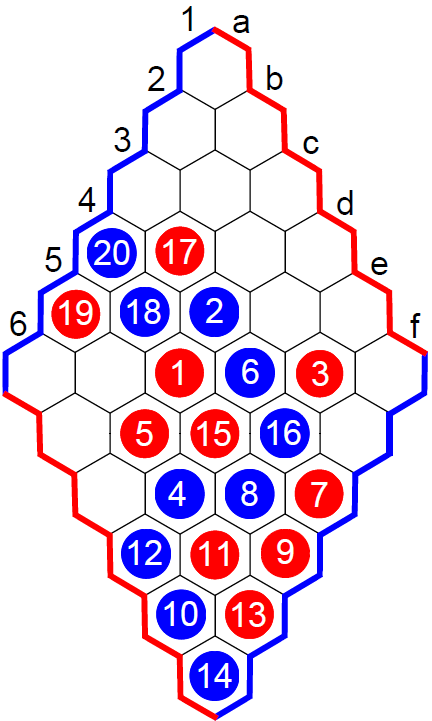
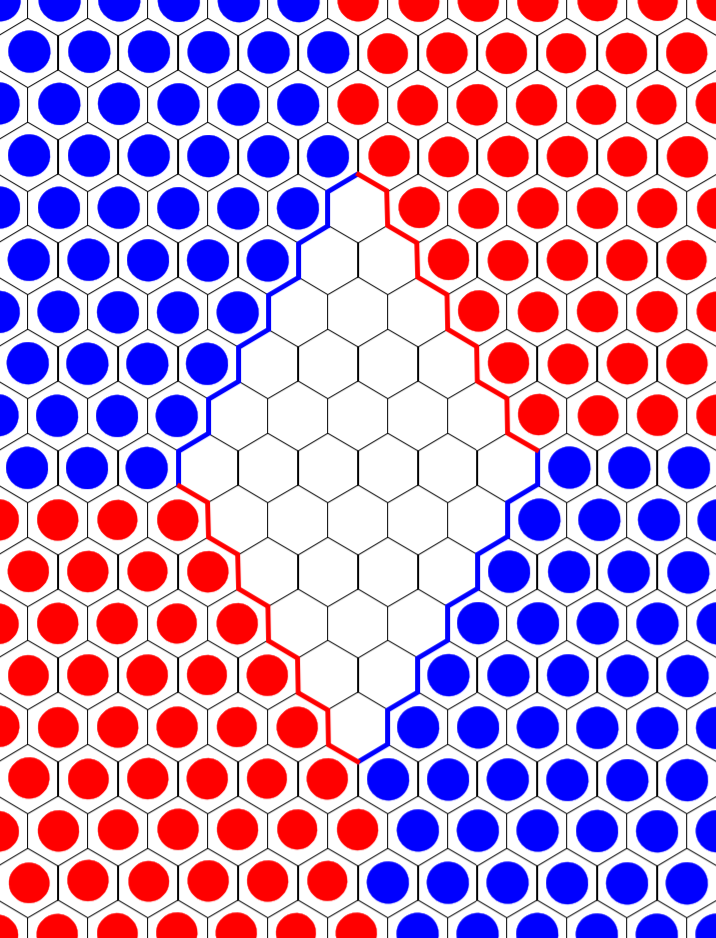
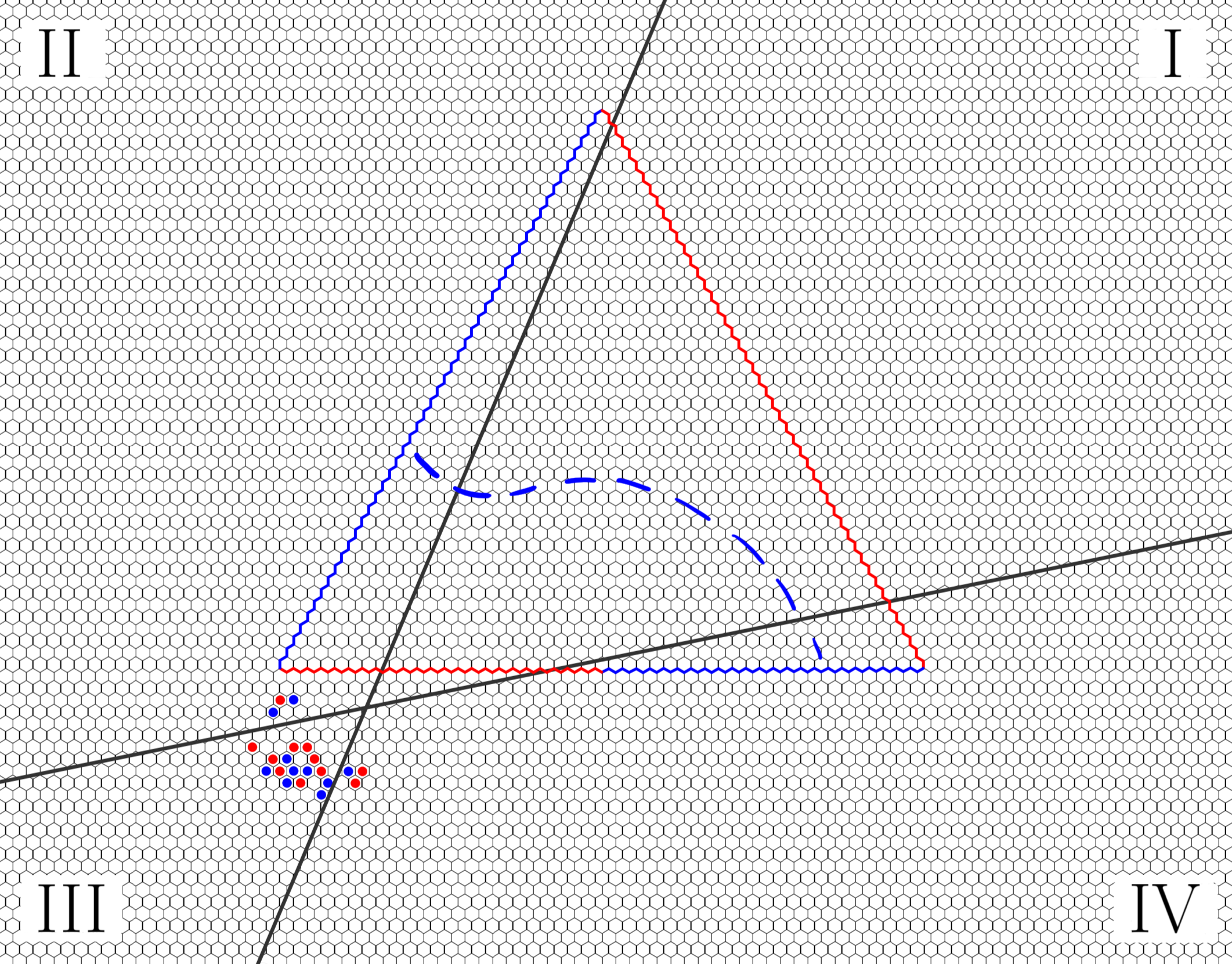
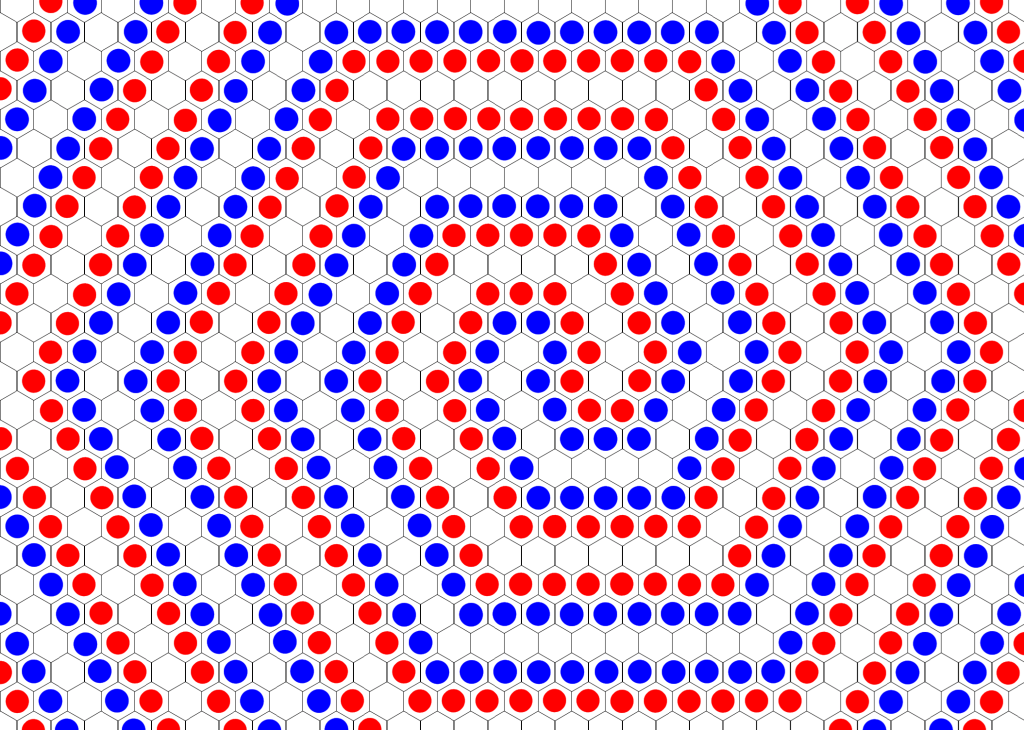
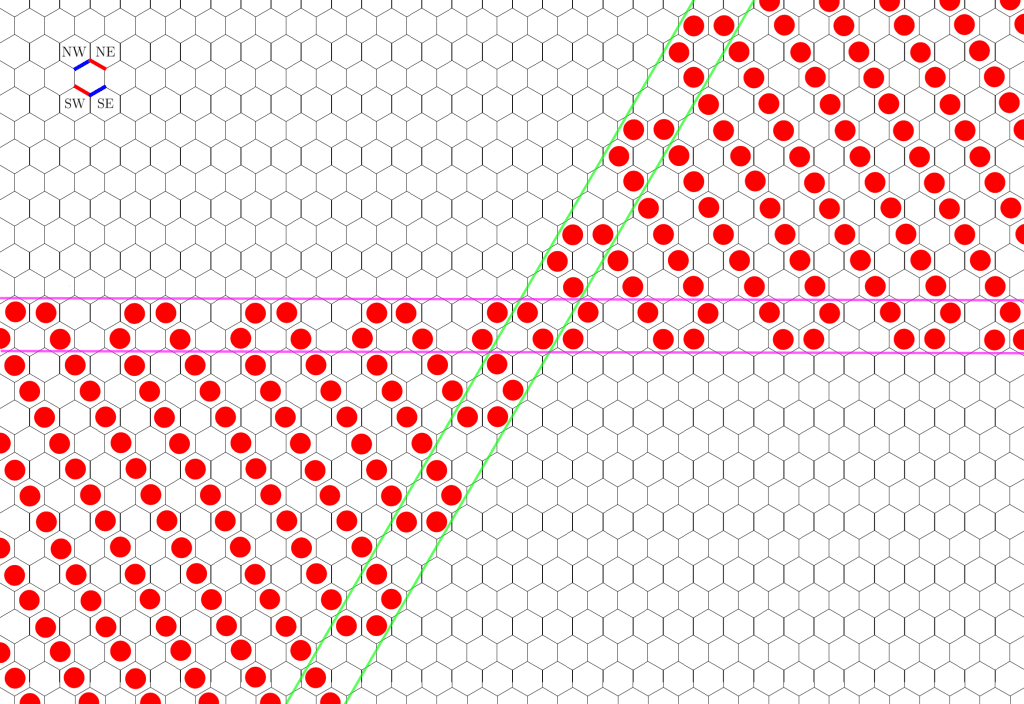
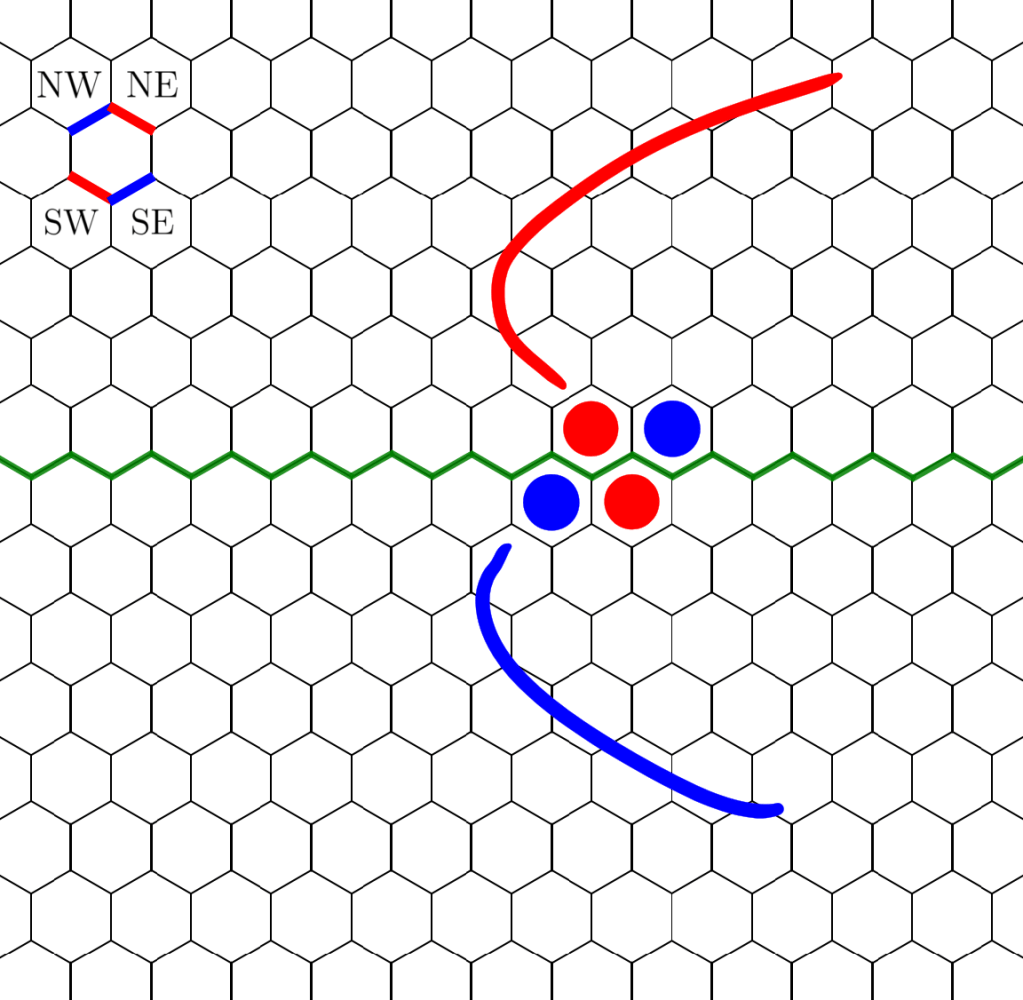
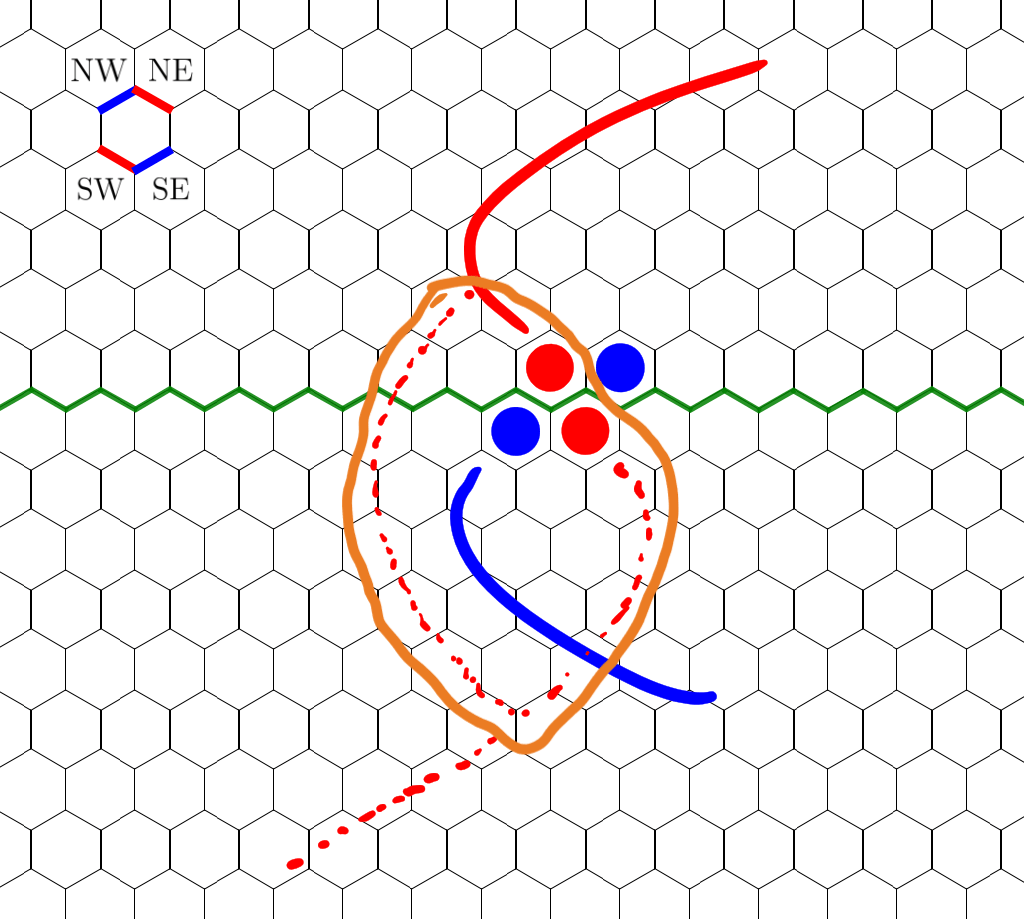
We introduce the game of infinite Hex, extending the familiar finite game to natural play on the infinite hexagonal lattice. Whereas the finite game is a win for the first player, we prove in contrast that infinite Hex is a draw—both players have drawing strategies.
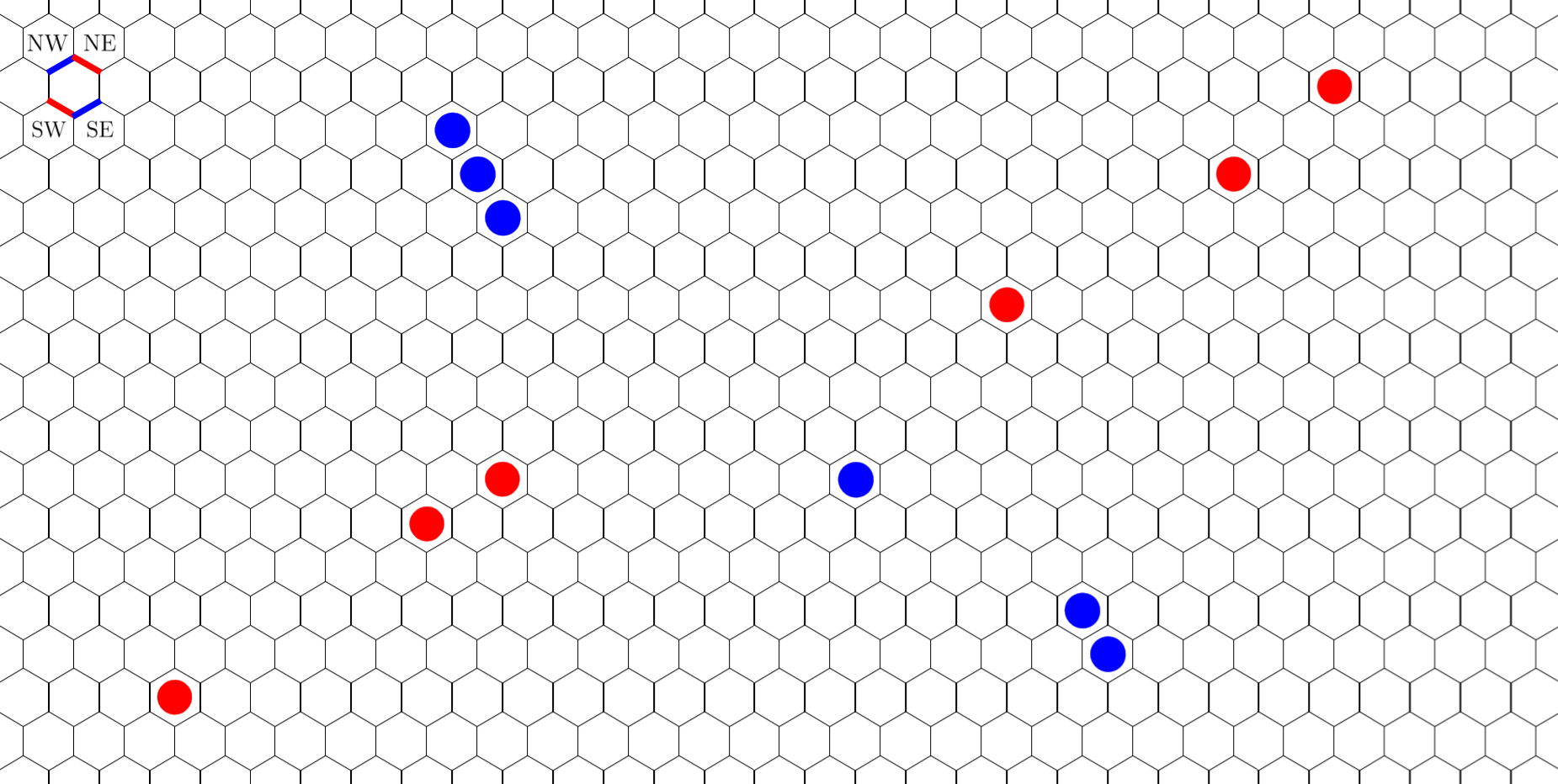
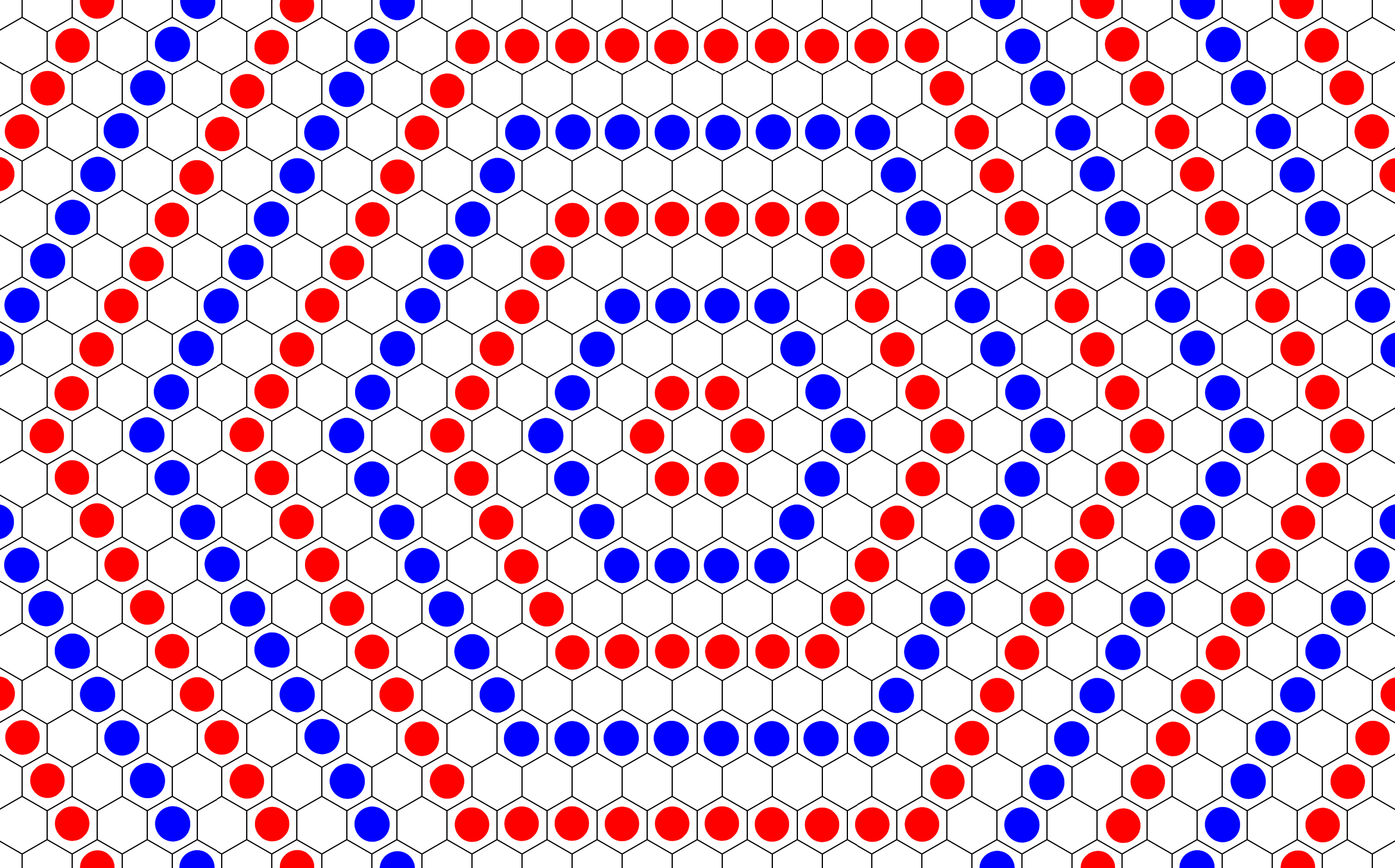
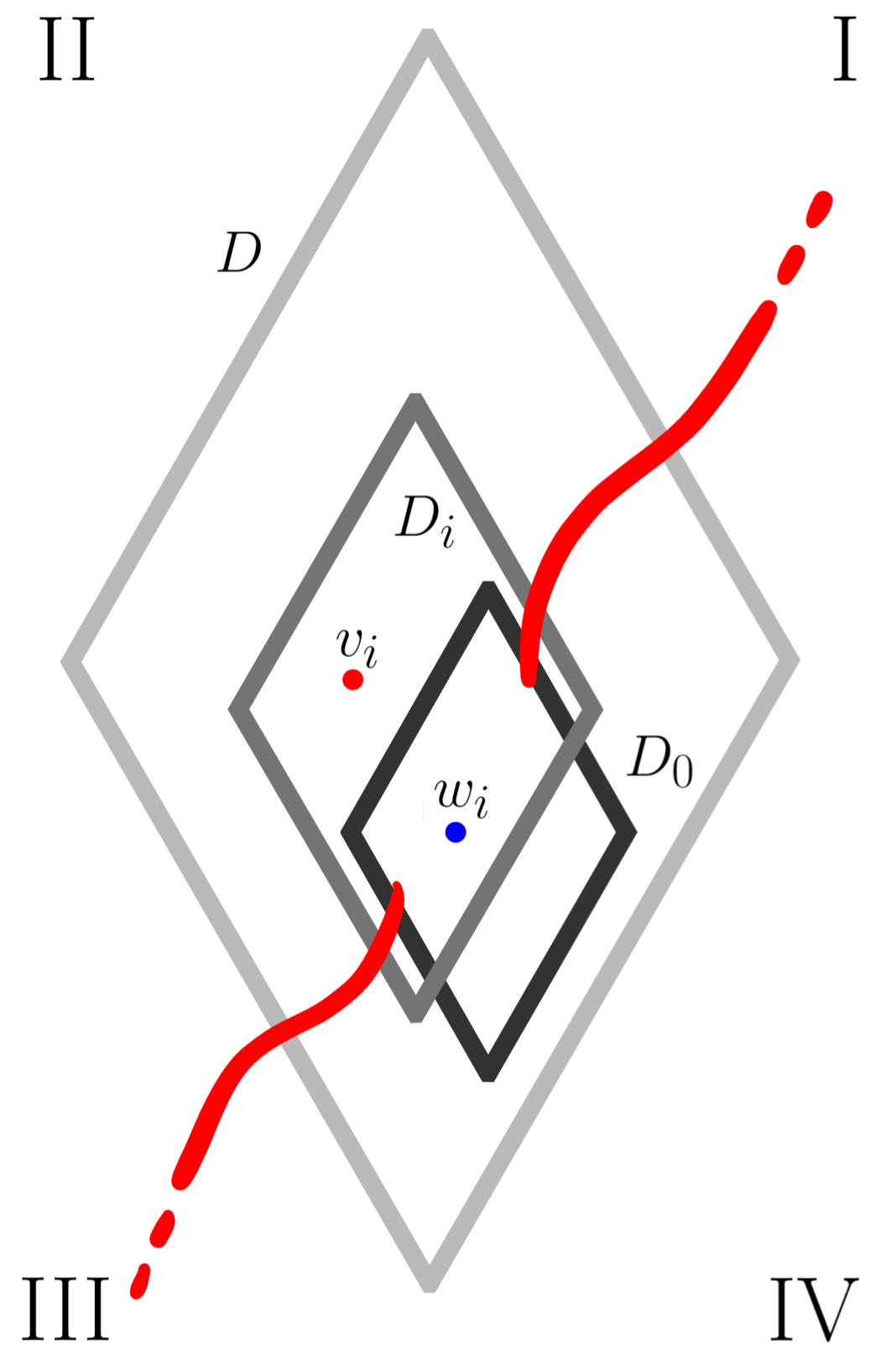
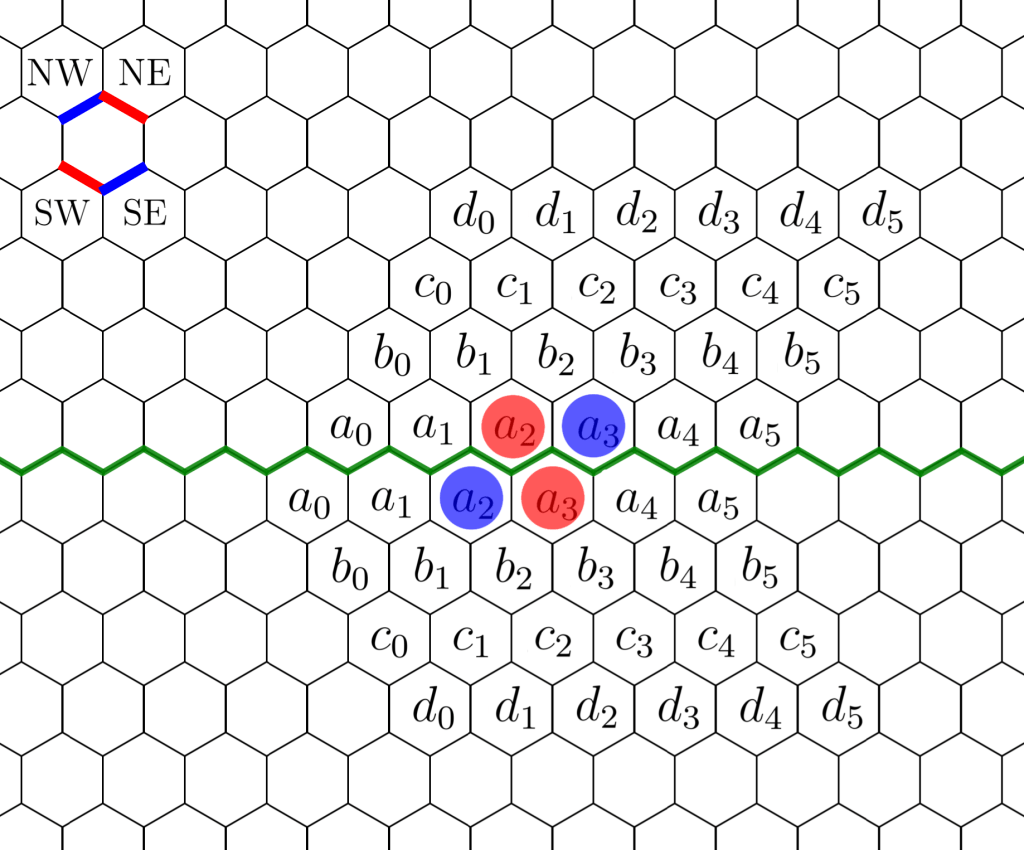
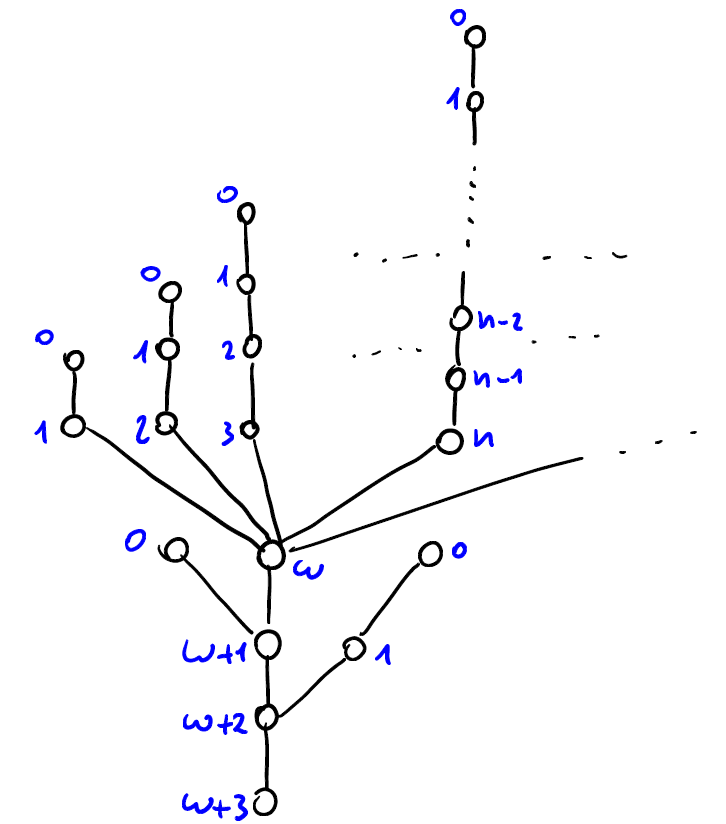
Meanwhile, the transfinite game-value phenomenon, now abundantly exhibited in infinite chess and infinite draughts, regrettably does not arise in infinite Hex; only finite game values occur. Indeed, every game-valued position in infinite Hex is intrinsically local, meaning that winning play depends only on a fixed finite region of the board. This latter fact is proved under very general hypotheses, establishing the conclusion for all simple stone-placing games.




 Davide Leonessi